
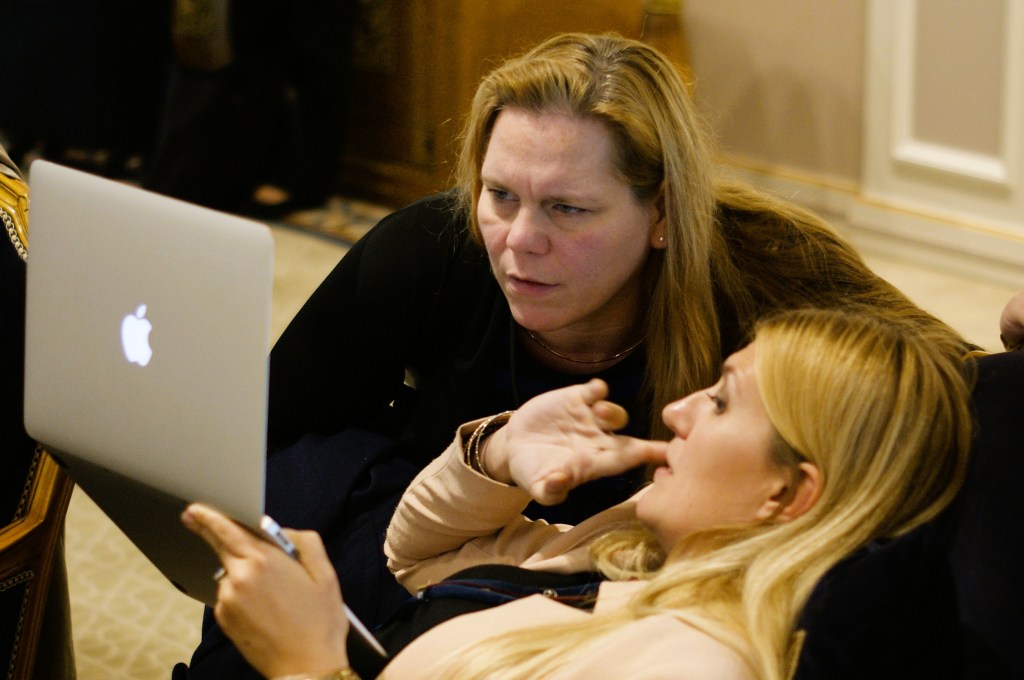
Following on from the recommendation of the Open-Ended Working Group in August 2016, a major breakthrough towards a nuclear weapons‘ ban took place in the First Committee of the United Nations, on 27 October 2016. Resolution L.41 (renumbered 258 in the General Assembly Vote) was passed by a resounding majority. The resolution mandated the UN
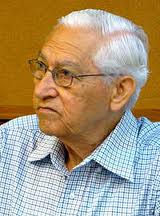
[Former IPPNW Co-President and “godfather” of ICAN Dr. Ron McCoy died on 1 September at the age of 96. The IPPNW family mourns his loss and celebrates his life in a tribute that can be downloaded here. Following are excerpts from a remembrance of Ron written by his colleague and close friend Tilman Ruff.] After
by Michael Christ, IPPNW Executive Director. September 29, 2026. Originally published in Vital Signs. This month marks the 40th anniversary of the 1986 Reykjavík Summit, the historic meeting where Ronald Reagan and Mikhail Gorbachev came astonishingly close to completely abolishing the nuclear arsenals of the two superpowers. While the meeting concluded without an official accord
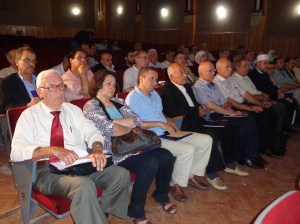
As world leaders prepare for COP31 in Antalya, Turkey, from 9 to 20 November 2026, the climate debate must confront a central question: what does security mean when the basic conditions for human health and survival are increasingly at risk? For more than three decades, humanitarian advocates, health professionals, and disarmament campaigners have argued that true
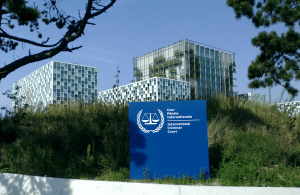
On October 9, only hours after the announcement of the award of the Nobel Peace Prize to Navi Pillay, a former judge on the International Criminal Court (ICC), the Trump administration imposed its latest sanctions on the global judicial body. According to Secretary of State Marco Rubio, “we will ban transactions with this rogue court,